The African telecom networks will see a sharp rise in cyber threats and technological risks in 2026
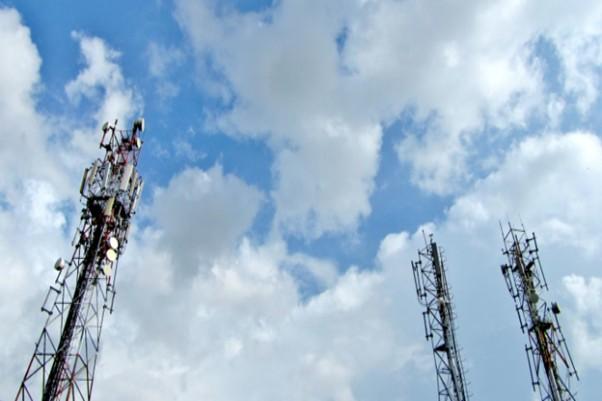
Growing Pressure on Telecom Networks
African telecommunication networks experience mounting challenges because both cyber threats and operational hazards continue to increase. The industry which contributes essential digital development and connectivity now faces increased security threats and system weaknesses. The threats extend beyond technical issues because they impact both financial security and the ability to deliver services.
Telecom companies face lengthy espionage operations and supply chain attacks and distributed denial-of-service (DDoS) attacks based on recent security assessments. The attackers conduct their operations to disrupt services and obtain confidential information and gain illegal entry to essential systems.
Cybersecurity Risks Becoming Central Concern
Telecom operators now face cybersecurity threats as their most significant operational challenge. Reports indicate that a significant percentage of telecom organizations have experienced ransomware attacks and other forms of digital threats. The telecom industry has seen multiple security problems that affected its users through both online platforms and their actual devices.
In Africa, cyber risks are now considered the top concern for businesses, with more than half of surveyed professionals identifying them as the main threat. The development of artificial intelligence together with digital technologies has created more sophisticated and concealed attack methods.
Impact of New Technologies
The introduction of modern technologies such as 5G and artificial intelligence and satellite integration has resulted in better connectivity for users but has simultaneously created fresh security threats. The network management systems which use AI technology will increase operational mistakes when their usage lacks proper oversight.
The implementation of satellite systems together with new encryption technologies will create security weaknesses which arise from hurried deployment. The technological advancements create multiple new entry points which cybercriminals can use to breach security systems. The increasing complexity of networks makes it more difficult to protect them against unauthorized access.
Infrastructure and Skills Challenges
External issues such as supply chain disruptions and undersea cable failures place additional stress on Africa's telecom infrastructure systems. The existing problems demonstrate how vulnerable the region's digital infrastructure system is to breakdowns. The industry faces difficulties because there is not enough skilled cybersecurity experts and artificial intelligence professionals and data science specialists to handle security threats.
Need for Collaboration and Resilience
Experts emphasize that no single telecom operator can handle these threats alone. The industry needs to establish partnerships which will enable organizations to share intelligence while they work together to handle security threats. The researchers recommend that companies should allocate resources to enhance their security systems while developing their security systems from executive management to board members.
Conclusion
The African telecommunications industry requires a balance between developing new technologies and maintaining secure operations. The way operators handle new security threats will determine which digital connectivity solutions will shape the continent's future.
Business News
According to Marcus Buckingham, "Love" Is the New Strategy for Business Success
Businesses in Milwaukee gave advice on how to make an economical Easter basket as chocolate prices rises
S.F. Street Food Law Raises Concerns For Vendors Regarding Higher Costs
JPMorgan & Chase Co Has Put $80 billion of Working Capital For Small Businesses, Giving It Huge Upside Potential
Why Business Leaders Are Prioritising Cost-Effective VPS Infrastructure in 2026