Software's Role in the Automotive Industry Needs to Be as Significant as the Traditional Engine
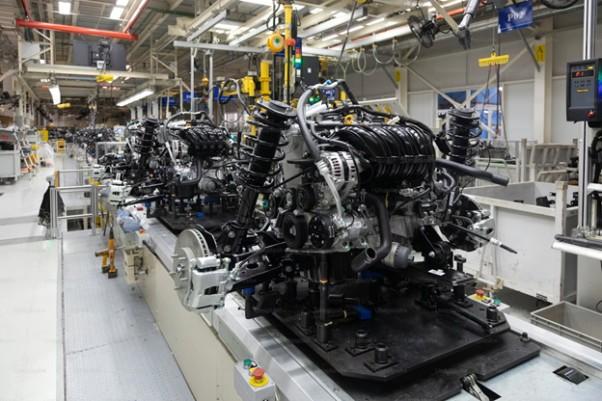
Software Becomes Central to Modern Vehicles
The automotive industry is entering a new phase where software has become an essential component that matches the importance of engine power. Contemporary automobiles use software systems to operate their safety features, navigation systems, entertainment options, battery control, self-driving capabilities, and remote software updates. Industry experts argue that automakers must begin treating software as a core part of vehicle engineering rather than an added feature.
The rise of software-defined vehicles has increased pressure on manufacturers. Modern vehicles require millions of code lines which continue to increase because of electric vehicles and connected vehicles. Software failures create significant problems for both customers and automakers.
Recalls Highlight Growing Risks
The recent software-related recalls which occurred in the industry show that companies need to redesign their existing processing methods. A single coding issue can affect thousands of vehicles at once which results in safety hazards and costly repair operations. Software defects spread through multiple vehicle platforms which differentiates them from mechanical defects that remain tied to specific components.
Experts believe the automotive software development process has not reached the same level of development which exists in aviation and cloud computing industries. The production schedule of vehicle programs forces teams to complete their work within tight time limits which hinders their ability to conduct ongoing testing and make system improvements.
Industry observers also point out that many companies still separate hardware and software teams. This division slows innovation and creates integration challenges during production..
A Shift Toward Continuous Development
Automakers are increasingly adopting methods used by technology companies. Vehicle development now requires continuous software testing combined with remote updates and cybersecurity monitoring and rapid bug resolution.
Companies are also investing heavily in centralized vehicle architectures that allow software updates across multiple systems. The system upgrades begin to lessen the need for independent electronic control units while enhancing the vehicle's operational efficiency over time.
The automotive industry experiences a critical transformation because today consumers demand vehicles which receive continuous software updates to enhance their performance. The emergence of advanced driver assistance systems together with energy optimization and infotainment upgrades now requires dependable software platforms to function.
The Future of Automotive Engineering
According to experts the software industry needs to receive equal value assessment which the automotive sector traditionally dedicates to testing engines and powertrains. The solution requires organizations to invest more resources in developing software engineers and establishing superior testing facilities and creating plans for sustaining operations throughout time.
The increasing connectivity and autonomy of vehicles will require software quality to determine their safety performance and customer satisfaction levels and brand reputation. The evolving automotive market provides companies that can adapt quickly with a significant competitive edge.
Business News
Pop-ups in Market East Bring Energy to Philadelphia's Languished Retail Corridor
Community-Inspired Flavors' Celebration Forest Independent Business's First Anniversary
Tariffs and Global Conflicts Squeeze California's Small Businesses
Trump, Angling War and For Violation, Invisibly Turns Back on Pakistan and Iran
What Kind of Business Model Would Help Colorado's Creative Industries?