Albert Heijn Strengthens Its Position as Market Leader with the Growth of Market Share to 38.2% and the Opening of 14 New Stores in 2025
Market Share Growth and Industry Context
The increase in market share made by the Dutch supermarket king Albert Heijn in 2025 is 38.2% which is higher than 37.7% in 2024. This latest number shows the retailer's infinite power over the Dutch supermarket industry, beating the overall market growth and using the advantage of its competitors even more.
Store Network Expansion
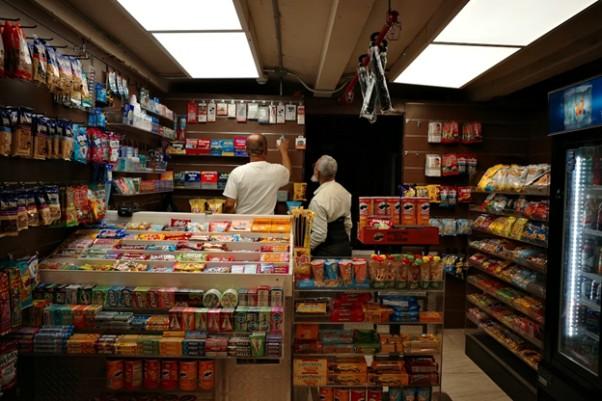
Throughout the year, Albert Heijn has opened 14 new stores in the Netherlands which have contributed to strengthening its presence in the country. The company has also opened five more stores in the Flanders area of Belgium, thus enlarging its store network to approximately 1,288. This network has a variety of store types which consists of traditional supermarkets and Albert Heijn to-go convenience with an estimated 185 to-go outlets that are part of the total number of stores.
Increasing the number and the types of stores allows the business to have access to a wider customer base and will also meet different shopping needs, which range from daily groceries to quick buying.
Product Strategy and Health Focus
The range of products at Albert Heijn's stores went on expanding in the year 2025, mainly by the addition of healthier and more sustainable products. Almost 39% of total sales consisted of high-nutrition-score (A or B) products thus, satisfying public health guidelines and consumer’s demand for better options.
Retailers went on increasing their offerings in whole grains, plant-based and hybrid foods categories. Besides, they reworked several products in order to reduce the amount of salt, sugar, and saturated fats. All these activities not only increased customer loyalty but also aided in making the brand stand out in the highly competitive market.
Digital Growth and Customer Engagement
In 2025, digital channels were also the main growth area for Albert Heijn. Online grocery sales rose by double digits mainly due to the increased customer adoption and larger order volumes placed via the AH app and web platform. Active app users' number went beyond 5.5 million which indicates the role of digital interaction in the modern grocery market as a main factor.
Besides, technology supported the process of better inventory planning and personalized offers while it also contributed to reducing food waste by giving discounts on the products that were close to expiration.
Sustainability and Future Priorities
Albert Heijn has made sustainability the core of its strategy. The chain's organic fruit and vegetable sale rises of 10.8% of total turnover in 2025 allowed it to overachieve its 2026 target early. Additionally, the retailer reduced food waste by 350,000 kilograms and contributed 3.5 million products to food banks. The no-emission delivery service covered 30 more areas, which indicates the company's continuous commitment to eco-friendly practices.
Furthermore, the retailer plans to keep the same priorities as well as the same customer experience technology in 2026, by focusing on affordability, healthier choices, sustainability progress, and technology-enabled customer experiences.
Business News
Tyson Foods Shakes Up Its Beef Business: These Major Plant Closures Could Change Everything
From Army Veteran to Award-Winning Entrepreneur: Danielle King’s Inspiring Rise to Success
Amazon Business Hits $60 Billion, How Agentic AI Is Revolutionizing B2B Procurement
How Community Bank Delaware’s $1,000 Donation Is Strengthening the Future of Lewes Firefighters
Autodesk Just Launched a Game-Changing Program Every Small Business Should Know About