Redefining AI Networking for Data Centers with Cisco's Silicon One G300 Chip.
Introduction to the G300 Initiative
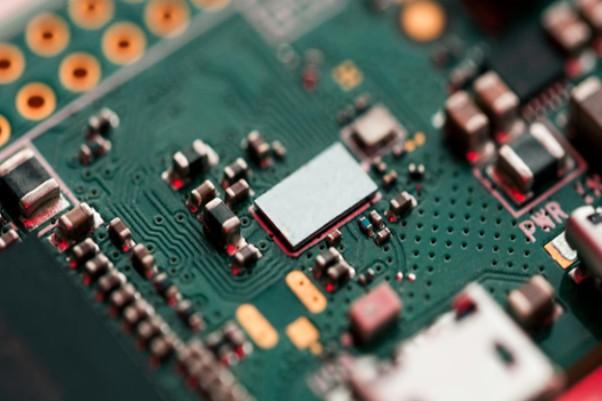
The new Silicon One G300 networking chip from Cisco Company delivers improved networking performance for AI data centers with extensive requirements. The launch reflects a broader industry shift: high-speed networking is now crucial to the performance of AI systems, not just faster GPUs or processors.
The new silicon delivers 102.4 terabits per second (Tbps) of switching capacity which will function as the core component for Cisco's upcoming networking systems. The system will enable power distribution to gigawatt-scale AI clusters while enhancing data transfer between thousands of connected devices.
Networking Challenges in Modern AI
The rising complexity and size of AI models demands greater data transfer capacity between GPUs and other processors. The standard networks experience operational difficulties when they encounter unexpected increases in network traffic which causes delays and reduces their performance capabilities. Cisco has developed hardware solutions that handle traffic surges while their systems redirect data within microsecond intervals to avoid network bottlenecks.
The G300 chip uses features often described as “shock absorbers” for network traffic. The system enables uninterrupted AI operations during peak usage periods because it maintains essential functions for operational efficiency.
Performance and Efficiency Gains
Data from Cisco indicates that the G300 increases AI job completion speed by 28% because it enables networks to operate data transfers more effectively. Cisco demonstrates that network efficiency holds equal importance to raw compute power when organizations need to operate their systems at maximum capacity.
The G300 system from Cisco introduces advanced liquid cooling technology which increases energy efficiency by 70% when compared to previous systems. Data centers that operate at hyperscale need to pay special attention to this information because their main operational expenses come from power consumption and cooling requirements.
New Systems and Software Integration
The G300 will be featured in Cisco's new N9000 and 8000 series switches which hyperscalers and cloud providers and large enterprises will use. Cisco has added hardware improvements to its Nexus One management platform which now enables easier deployment and scaling of AI networking fabrics.
Cisco also showcases its security and observability tool enhancements which assist IT teams in managing extensive AI networks with better security and operational capacity. These tools combine monitoring systems with analytics capabilities to enable performance tracking and failure prevention.
Market Context and Competition
Cisco's decision to develop its own networking solutions brings direct competition with Broadcom and Nvidia who both manufacture high-speed components used in artificial intelligence systems. The difference exists because Cisco combines its silicon and system and software components into a single solution which provides fast and dependable performance.
Looking Forward
Customers will begin to receive the Silicon One G300 product during the second half of 2026. The system implements a new operational framework which enables networks to achieve maximum computation efficiency through its AI-based design.
Business News
S.F. Street Food Law Raises Concerns For Vendors Regarding Higher Costs
JPMorgan & Chase Co Has Put $80 billion of Working Capital For Small Businesses, Giving It Huge Upside Potential
Why Business Leaders Are Prioritising Cost-Effective VPS Infrastructure in 2026
S.F. Street Food Law Raises Concerns For Vendors Regarding Higher Costs
How Industrial IoT Is Actually Changing Traditional OT Systems