Minnesota ICE Protests: The Shutdown of Businesses and The Marching of Citizens
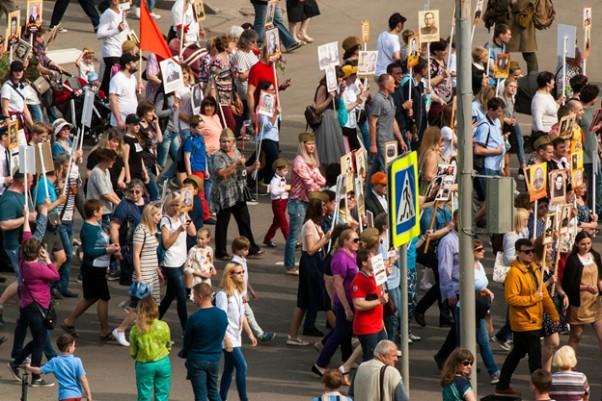
Citizens Across Minnesota Demonstrate Their Opposition ToThe Federal Enforcement Activities Of ICE
The people of Minnesota staged a statewide protest through the closure of hundreds of businesses and the decision of residents to remain indoors because of the heightened ICE operations in their area. The demonstration known as "ICE Out of MN: Day of Truth and Freedom" occurred on January 23 2026 across educational institutions and business establishments and retail stores and public gathering areas.
The protest was not a small demonstration. The groups organized their social and economic protests to demonstrate their opposition to federal law enforcement activities. Business owners from restaurants and coffee shops and co-ops and yoga studios decided to join the protest instead of running their businesses.
What Sparked the Movement
The protest was fueled by growing anger over ICE’s heightened presence in Minnesota, particularly after the death of Renee Good, a Minneapolis resident who was shot and killed by a federal immigration officer earlier in January. Critics say the incident galvanized local communities and underscored concerns about enforcement tactics and accountability.
Organizers aimed to call attention to what they view as discriminatory and aggressive federal immigration enforcement. Their demands included ICE withdrawal from the state, justice for victims of enforcement actions, and changes to national immigration policy.
Participation Across Sectors
Local businesses played an important role. More than 300 establishments — including restaurants, co-ops, bike shops, and fitness studios — publicly committed to closing for the day. This collective action was intended to highlight economic solidarity and community values over routine commercial activity.
Many business owners said they were taking financial risks to make a political and social statement. Some shops even repurposed their spaces as community resource hubs, providing support to immigrant neighbors and activist groups.
Community Response and Impact
Beyond business closures, the protest included marches, public gatherings, and strategic boycotts of spending. Unions, faith leaders, and community activists mobilized in support, encouraging residents to stay home from work, avoid shopping, and participate in demonstrations and marches throughout the day.
Social media and grassroots messaging helped magnify participation, with many sharing lists of participating businesses and urging others to join the effort. The event was widely discussed online, reflecting both local pride and national attention.
What Comes Next
As Minnesota’s protests wrap up for the day, organizers and community leaders are evaluating next steps. Some want continued pressure on elected officials and federal agencies, while others seek legal review of enforcement practices. Meanwhile, residents and business owners say they hope the demonstration serves as a lasting symbol of community unity and resistance against policies they view as harmful.
Business News
Tyson Foods Shakes Up Its Beef Business: These Major Plant Closures Could Change Everything
From Army Veteran to Award-Winning Entrepreneur: Danielle King’s Inspiring Rise to Success
Amazon Business Hits $60 Billion, How Agentic AI Is Revolutionizing B2B Procurement
How Community Bank Delaware’s $1,000 Donation Is Strengthening the Future of Lewes Firefighters
Autodesk Just Launched a Game-Changing Program Every Small Business Should Know About